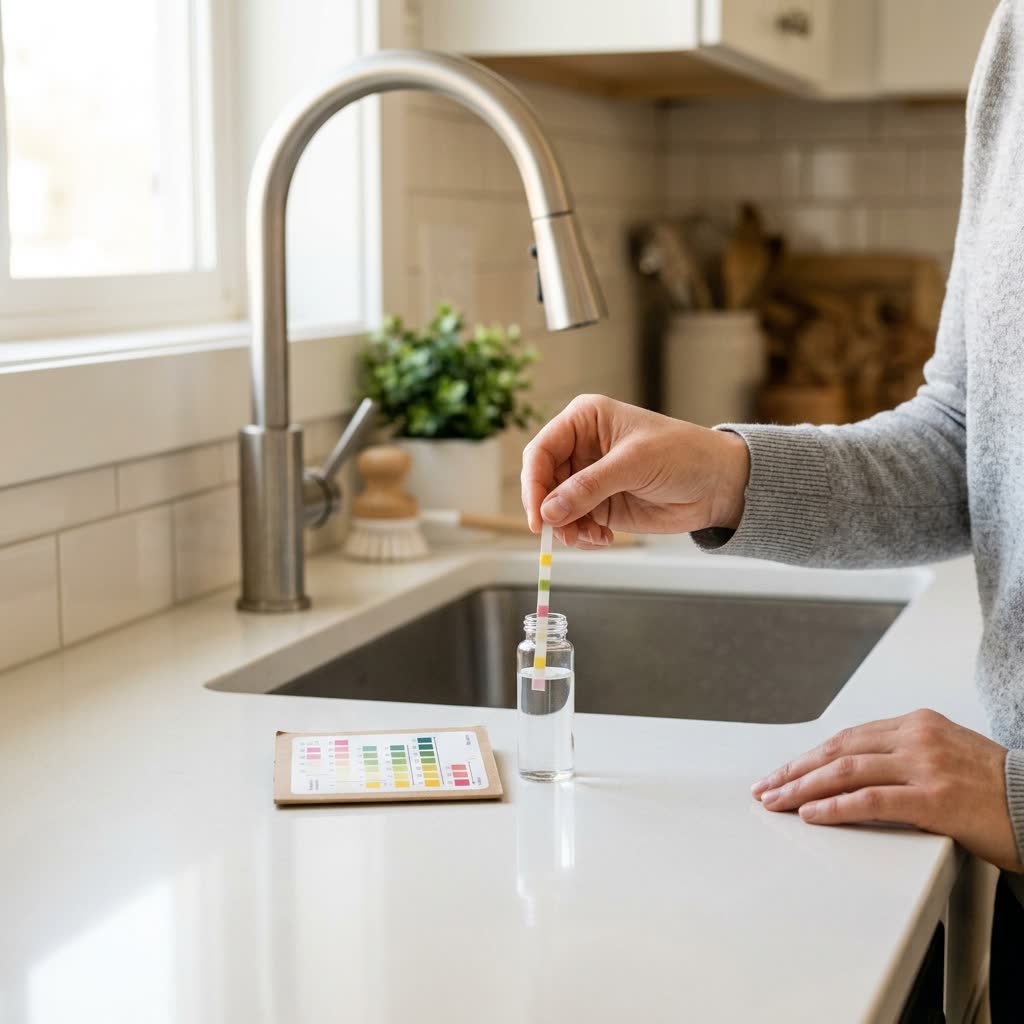
Well water treatment marketing works best when the ad names the area, shows the exact problem (orange stains, rotten egg smell, cloudy water) and offers a free on-site water test. Rural homeowners respond to plain, local, problem-first ads, and they need fast, patient follow-up because they often live farther out and work odd hours.
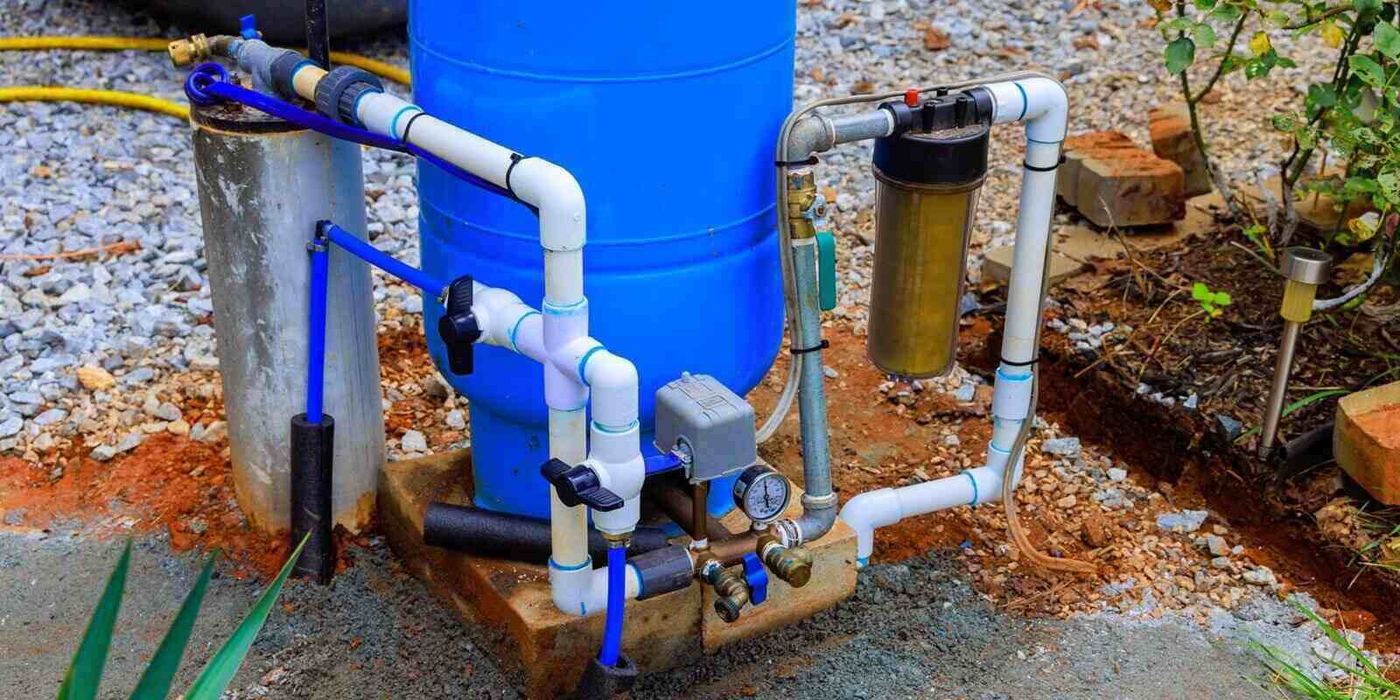
Well water is a different sale. The homeowner owns the whole system, from the wellhead to the faucet. Nobody else is coming to fix it. That makes well owners some of the most motivated buyers in water treatment, if your marketing actually speaks to them.
Most dealers run one generic "better water" ad across their whole territory. City customers and well customers see the same thing, and neither group feels like it was written for them. This post covers how to market well water treatment specifically: the problems to lead with, how to target rural areas, what the ad should say, and how to follow up so leads become booked estimates.
What makes well water treatment marketing different?
Well water marketing is different because the problems are louder and the audience is smaller. A city customer might notice spots on glasses. A well owner might have orange toilet bowls, a sulfur smell in the shower and a pressure tank they have never thought about.
That changes three things:
- The hook. You can name a specific, visible problem instead of talking about "water quality" in general.
- The audience size. Rural zip codes have fewer people, so targeting and budget need more care.
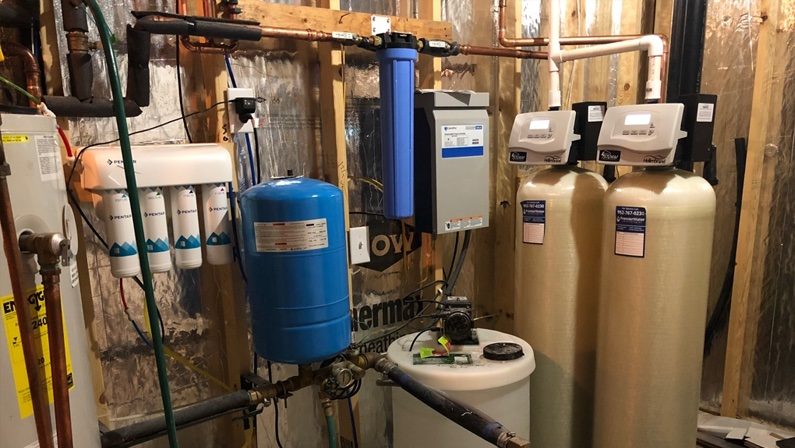
- The sales visit. Well systems often need iron filters, sulfur treatment or multi-tank setups, so the in-home test matters more and the job can be bigger.
If you are still deciding which platform to use for this, our guide to Facebook ads for water treatment companies covers the basics. This post assumes you are running Meta ads and want the well water slice to perform.
Which well water problems should your ads lead with?
Lead with the problems a homeowner can see, smell or feel without a lab report. Those are the ones that get clicks and stay within Meta's ad policies.
| Problem | What the homeowner notices | Ad angle that fits |
|---|---|---|
| Iron | Orange or rust stains in toilets, tubs, sinks and laundry | "Tired of scrubbing orange stains out of your toilet?" |
| Sulfur | Rotten egg smell, especially from hot water | "Does your shower smell like rotten eggs?" |
| Hardness | White scale on fixtures, spotty dishes, short appliance life | "White crust on every faucet in the house?" |
| Sediment and cloudiness | Cloudy or tinted water, gritty buildup in aerators | "Water look cloudy coming out of the tap?" |
| Taste | Metallic or off taste, family buying bottled water | "Still buying cases of bottled water?" |
Pick one problem per ad. An ad that lists iron, sulfur, hardness and taste all at once reads like a brochure. An ad that says "Orange stains in your toilet? Well owners in [County] can get a free water test this week" reads like it was made for that person.
What should you avoid saying?
Avoid health, disease and fear claims. Do not tell well owners their water is "toxic," "dangerous" or making their family sick. Meta can reject those ads, and they make your company sound like every scare-tactic flyer the homeowner has already thrown away. Keep the ad on cosmetic problems and let your technician walk through real test results in the home.
How do you target rural homeowners on Facebook?
Target by the towns and counties your technicians actually service, then let the creative do the filtering. Meta does not have a "has a well" checkbox, so the ad itself has to call out well owners.
- Map your real service area. Start with the towns your installers already drive to. Draw radius pins around those towns rather than one giant circle from your shop.
- Exclude the city core if it is all municipal water. If a metro area is on city water, cut it from the well water ad set so you are not paying to show sulfur ads to apartment renters.
- Keep the audience broad inside that area. Rural audiences are small. Stacking interests and demographics on top shrinks reach and raises costs. Let the hook ("Well owners in [County]...") do the qualifying.
- Separate well and city ad sets. Different problems, different hooks, different reporting. You want to know what each one costs you.
What should a well water ad actually say?
A good well water ad says three things fast: where, what problem, and what to do next. We follow a simple rule across our accounts: city or area callout first, and the offer inside the first 125 characters of text and the first 5 to 8 seconds of video.
Here is a structure that works for well water:
- Callout: "Well owners in [County]..."
- Problem: "Orange stains, rotten egg smell or white crust on your faucets?"
- Offer: "Get a free in-home water test. We'll show you what's in your water and what fixes it."
- Next step: "Tap Get Quote and pick a time."
For video, show real equipment you install and real stains. In our accounts, owner-on-camera video books best by far. A dealer standing next to a twin-tank iron filter in a basement, saying "If you're on a well in [County] and your toilets are turning orange, this is what fixes it," beats polished stock footage. We go deeper on this in what video ads work best for water treatment.
One more rule: only show equipment you sell. If you do not install a particular type of system, do not put it in the ad. The homeowner will ask about it at the estimate.
How should you follow up with well water leads?
Follow up fast and plan for harder-to-reach people. Rural homeowners often work early shifts, farm, commute long distances or have spotty cell coverage. The lead that submitted at 9 p.m. may not answer at 10 a.m. the next day.
What helps:
- Call within minutes. Interest is highest right after the form is submitted.
- Text right away too. A text gets read even when a call can't connect.
- Try different times of day. Early morning, lunch and early evening attempts catch different schedules.
- Book a set time, not a window. "Tuesday at 4 p.m." is easier to commit to than "sometime Tuesday afternoon," especially when your tech is driving 40 minutes.
- Confirm the day before. Rural no-shows cost more because of drive time. A confirmation call or text protects your tech's day.
Our full system is in the water treatment lead follow-up cadence post.
How do you know if your well water marketing is working?
Judge it by booked and shown appointments, not by leads alone. Rural leads may cost more because the audience is smaller, but if they book and show at a good rate, they can still be your most profitable segment.
The targets we work toward in our accounts:
- Cost per lead in the $20 to $30 range, with an alarm above $50.
- Cost per booked appointment around $80, with an alarm above $100.
- Lead-to-booked rate of 40 to 60 percent.
- Show rate above 70 percent.
Track well water and city water separately so one does not hide the other. If the well ad set has a higher cost per lead but books at a stronger rate, that is a trade worth taking.
Should you run well water ads yourself or hand them off?
You can run them yourself if you have someone who will build the creative, manage the ad account and call leads within minutes, every day. Most dealers find the follow-up is the part that breaks, not the ads.
That is the piece we handle. Wellsprings Estimates runs done-for-you Meta ads in your territory, and our setters call every lead fast, book a set time and put the confirmed appointment on your calendar. Leads are exclusive, one dealer per territory, and your ad budget runs in your own ad account. If you want to talk through your well water territory, book a call.
The bottom line
Well owners have real, visible problems and no one else to fix them. Market to them directly: name the area, name one problem, offer a free in-home water test and follow up fast enough to catch people who live and work outside a 9-to-5 schedule. Keep the claims cosmetic, show only what you install and measure success by appointments that actually show.