A free water test offer works when it is framed as an in-home visit with a set appointment time, the form asks a couple of qualifying questions, and a setter calls within minutes. Junk leads usually come from vague offers, giveaway-style framing and slow follow-up, not from the word "free" itself.
"Free water test" is the most common offer in water treatment advertising. It is also the offer dealers complain about most. Some swear it fills their calendar. Others say it brings in people who want a free gadget and nothing else.
Both are right. The offer itself is not the problem. How it is framed, qualified and followed up decides whether you get booked estimates or a list of people who never pick up. This post walks through how to run a free water test offer that produces real appointments.
Does a free water test offer still work?
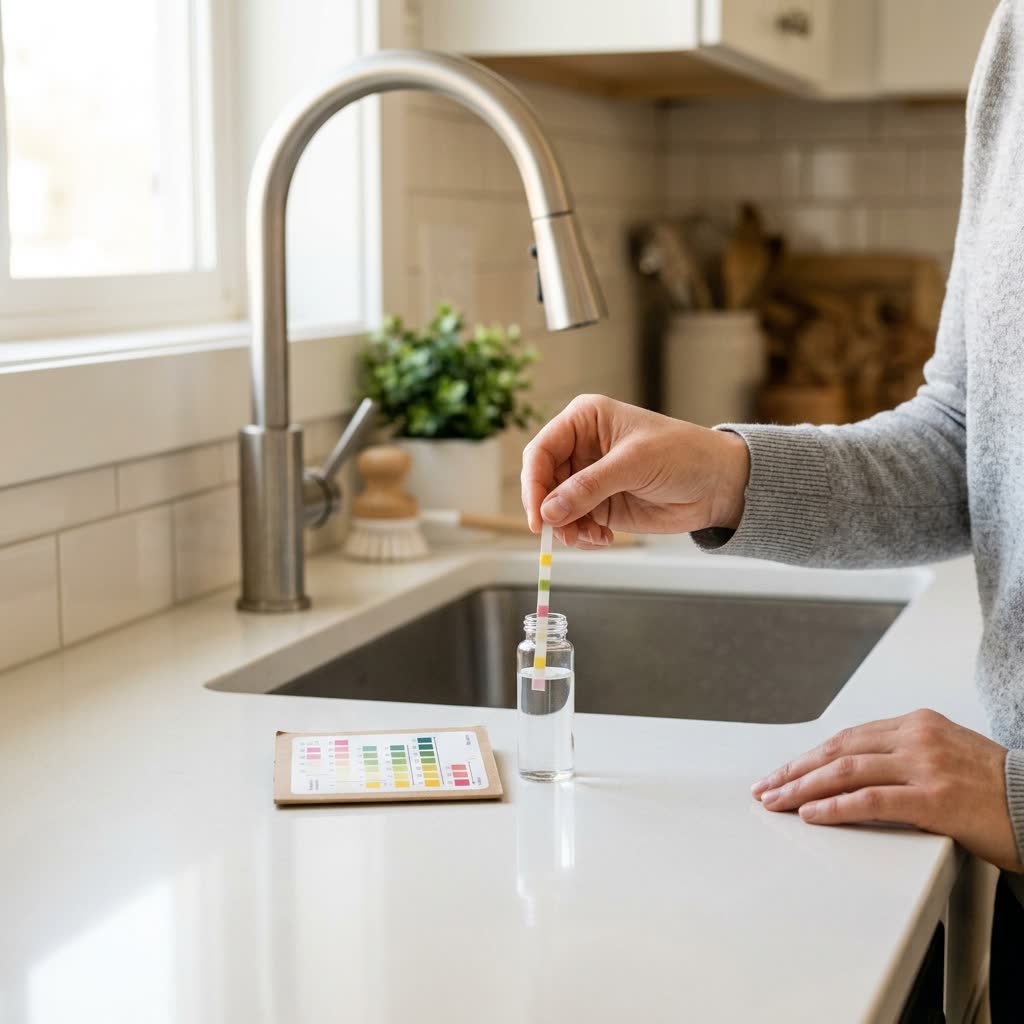
Yes. A free water test is still one of the easiest ways to get a homeowner to agree to an in-home visit, because it gives them something useful with no commitment. The homeowner wants to know what is in their water. You want to be in the kitchen when they find out.
Where it goes wrong is when the offer sounds like a giveaway. "Free water test kit, claim yours now" attracts collectors. "Free in-home water test for [City] homeowners, pick a time that works" attracts people who expect someone to come over and talk about their water. That is the person you want.
Why do free water test offers bring in junk leads?
Free offers bring in junk leads when nothing in the ad or form filters for intent. The most common causes:
- Vague framing. "Free water test" with no mention of an in-home visit. People think a kit is coming in the mail.
- No area callout. The ad reaches people outside your territory or people who don't connect it to their home.
- No qualifying questions. Renters, people on bottled water service and people who just want a freebie all get through.
- Slow follow-up. A lead called the next day has forgotten the ad. It looks like a junk lead, but it was a good lead that went cold.
- Hidden sales intent. If the homeowner feels tricked when they learn a salesperson is coming, they cancel or don't answer the door.
Most of these are fixable in the ad copy and the form, before you spend another dollar.
How should you frame a free water test offer?
Frame it as a short, scheduled, in-home visit with a clear benefit. Here is the difference:
| Weak framing | Strong framing |
|---|---|
| "Get a FREE water test!" | "[City] homeowners: free in-home water test. We'll show you exactly what's causing the spots and scale." |
| "Claim your free kit" | "Pick a time and a local tech will test your water at your kitchen sink." |
| "Limited spots available!" | "Book a time that works for you this week." |
| "Is your water safe?" | "Tired of crusty faucets and spotty dishes?" |
Notice what the strong column does. It names the area. It names a cosmetic problem the homeowner can see. It makes clear someone is coming to the house. And it does not use fake urgency or a fear question about safety, which can get ads rejected and puts homeowners on guard.
We put the area callout first and the offer inside the first 125 characters of text and the first 5 to 8 seconds of video. For more hooks to pair with the offer, see hard water ad angles that convert.
What questions should the lead form ask?
Ask just enough to filter out people you can't serve, and no more. Every extra question costs you some leads, so each one has to earn its spot. A practical set:
- Do you own your home? Renters usually can't approve an install.
- Are you on city water or a well? Helps your tech prepare and helps you track which audience books.
- What bothers you most about your water? Spots and scale, stains, smell, taste or other. This gives the setter an opener and gives the tech context.
- Name, phone and zip code. The zip code confirms they are in your territory.
If you are deciding between Meta's instant forms and a landing page for this, we compare them in Meta instant forms vs landing pages.
How fast should you follow up on a free water test lead?
Within minutes. The homeowner filled out the form because they were thinking about their water right then. An hour later they are thinking about dinner. A day later they may not remember your ad at all.
The follow-up call should do three things:
- Confirm the problem. "You mentioned spots and scale. How long has that been going on?"
- Set expectations. "Our tech will test your water in your kitchen and walk you through the results and options if you want them."
- Book a set time. "Does Tuesday at 5 or Wednesday at 10 work better?" A specific time beats a window.
Being upfront that the tech will show options is not a turnoff for serious homeowners. It removes the surprise and screens out people who only wanted something free. Then confirm the appointment the day before. Our guide to reducing no-shows on in-home water tests covers the confirmation steps.
How do you tell if your free water test leads are junk?
Look past the lead count and track what happens after the form. The numbers we work toward in our accounts:
- Cost per lead around $20 to $30, alarm above $50.
- Lead-to-booked rate of 40 to 60 percent.
- Cost per booked appointment around $80, alarm above $100.
- Show rate above 70 percent.
If leads are cheap but the booked rate is low, the offer or form is letting in the wrong people, or follow-up is too slow. If booked rate is fine but show rate is low, the problem is confirmation and expectation-setting. If both look good but sales are low, the issue is probably in the home, not the marketing.
Diagnose before you change the offer. Dealers often scrap "free water test" when the real fix was a homeowner question on the form or a faster first call.
It also helps to listen to a handful of setter calls each week. If homeowners keep saying "I thought you were mailing me a kit," the ad framing needs work. If they keep saying "I rent," the form needs a homeowner question. If they say "Nobody called me back," the problem is speed, not the offer. The patterns show up quickly once someone is actually listening for them.
What does a good free water test campaign look like end to end?
Here is the full flow, start to finish:
- Ad calls out the area and one cosmetic problem, with the in-home test offer up front.
- Instant form asks homeowner status, water source, main problem and contact info.
- A setter calls within minutes, confirms the problem and books a set time.
- The appointment goes on the dealer's calendar, confirmed.
- A reminder goes out the day before, and the tech shows up on time.
That is the system we run for dealers at Wellsprings Estimates. We build the Meta ads in your territory, our setters call fast and book the appointment onto your calendar, and leads are exclusive with one dealer per territory. Your ad budget runs in your own ad account. If you want to see how it would work in your area, book a call.
The bottom line
A free water test offer is not inherently junk. Junk comes from vague framing, no qualifying and slow follow-up. Make it clear someone is coming to the house, ask a couple of filtering questions, call within minutes, book a set time and confirm it. Then judge the offer by booked and shown appointments, not by how many forms came in.