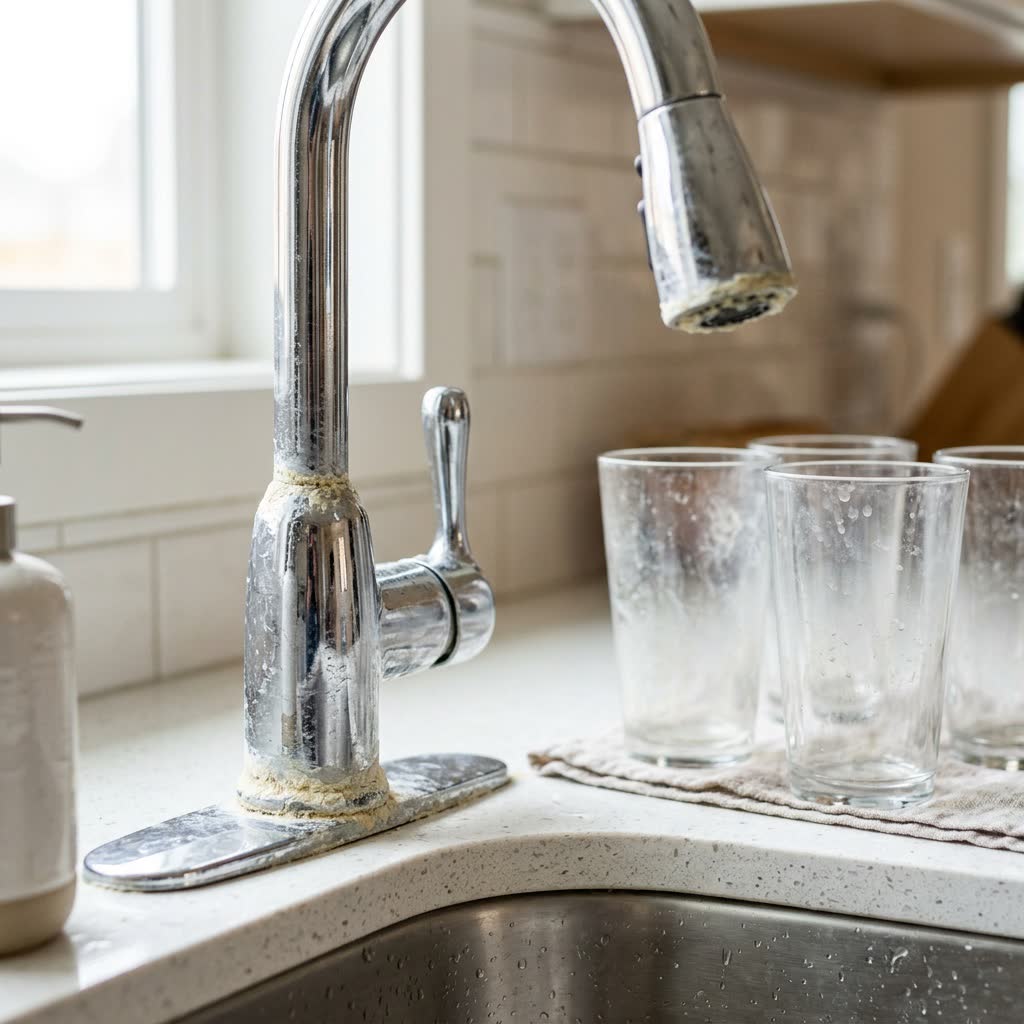
Facebook ads work for water treatment companies when they target homeowners in your service area, lead with a city callout and a cosmetic problem like spots, scale or stains, and put the offer in the first few seconds. Pair them with instant-form leads that get called within minutes, and judge results on cost per booked appointment, not just cost per lead.
Facebook and Instagram are where homeowners spend a big chunk of their screen time. They are scrolling on the couch, in the pickup line, after dinner. If they have orange stains in the tub or white crust on the faucet, a well-built ad can catch them at exactly the right moment.
But a lot of dealers have tried Facebook ads and walked away disappointed. Usually the platform was not the problem. The setup, the creative or the follow-up was. This playbook covers what we focus on when we run Meta ads for water treatment dealers.
Do Facebook ads work for water treatment companies?
Yes, Facebook ads work for water treatment companies when they are tightly local, built around problems homeowners can see, and connected to fast follow-up. They are one of the quickest ways to put new homeowners on a dealer's calendar.
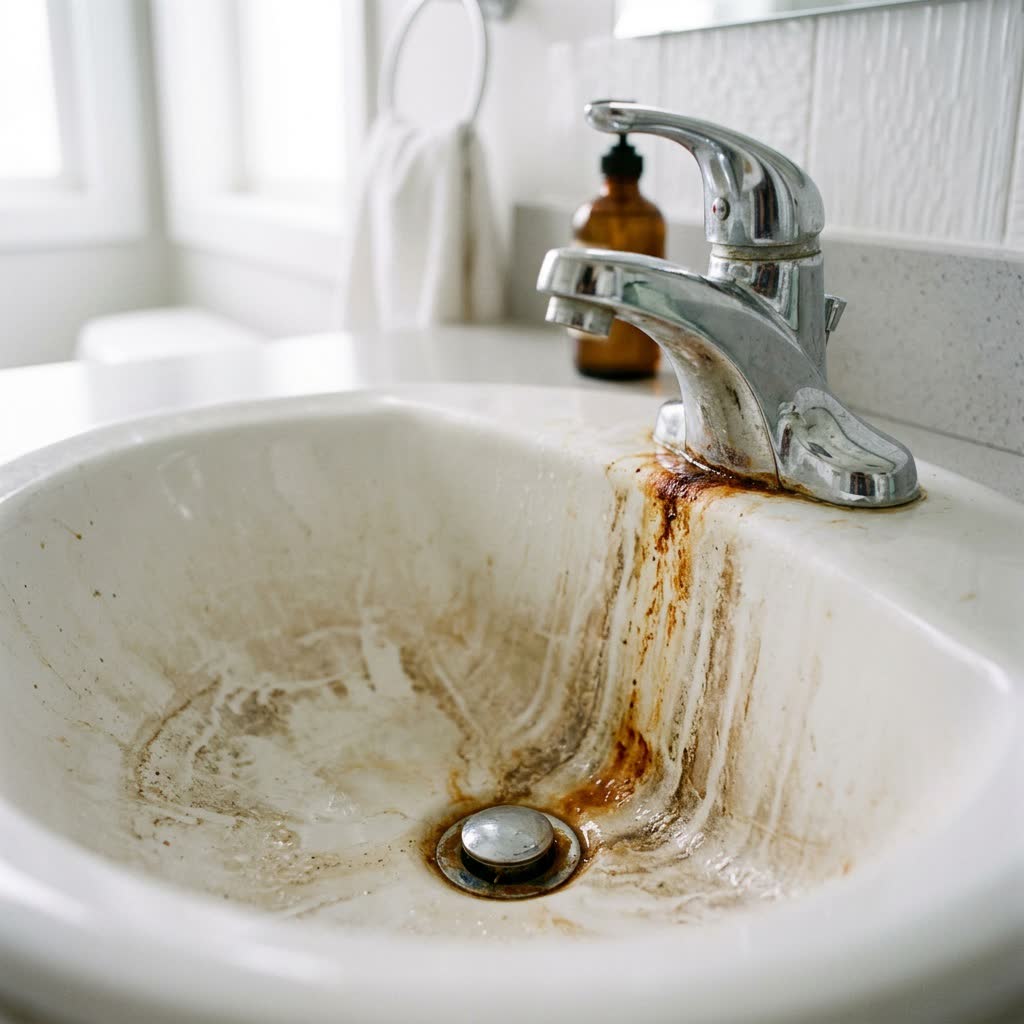
Water treatment is a good fit for Meta for a simple reason: the problem is visible. Spotty glasses, scale on shower glass, rust stains, a smell from the tap. Homeowners live with it every day. A short video showing that exact problem in their area gets attention without any hard sell.
Where it goes wrong is when dealers boost a generic post, target the whole state, or let leads sit for a day. Fix those, and the channel behaves very differently.
Who should water treatment ads target?
Water treatment ads should target homeowners inside your real service area, not a broad region you might drive to once a year. Keep the location tight and let the creative do most of the qualifying.
- Geography: the zip codes or radius you actually service and want to grow in.
- Age: adults old enough to own a home. Keep it broad and let the ad copy screen out renters.
- Interests: usually less important than you think. Meta's delivery system does a lot of the finding if the creative speaks clearly to homeowners.
- Problem fit: city water areas respond to hard water and taste. Rural areas often respond to iron, sulfur smell and well water.
The ad itself should say who it is for. "Attention O'Fallon homeowners" does more targeting work than most interest settings.
What kind of creative works best for water treatment ads?
Real video works best for water treatment ads, and owner-on-camera video books best by far in our accounts. Homeowners want to see a real person from a real local company.
We also compared AI-generated talking heads against real b-roll with a voiceover. Across roughly $83k of spend from July to October 2026, AI avatar talking heads averaged about $54 per lead. Real b-roll plus voiceover averaged about $28. That is roughly double the cost for the avatar style.
| Creative style | What we see in our accounts |
|---|---|
| Owner on camera | Books best by far |
| Real b-roll + voiceover | About $28 per lead (Jul to Oct 2026) |
| AI avatar talking head | About $54 per lead (Jul to Oct 2026) |
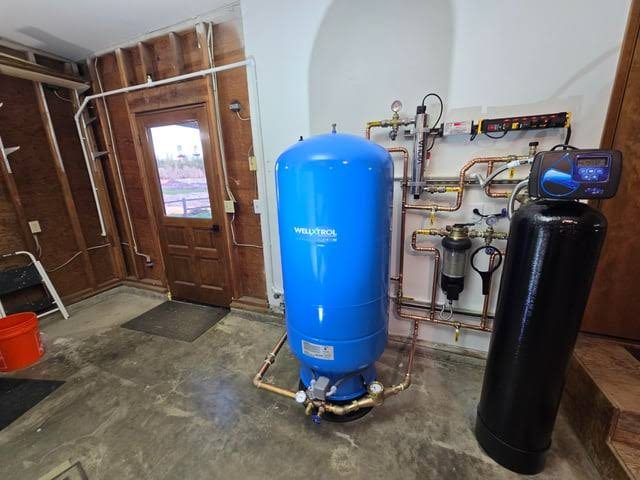
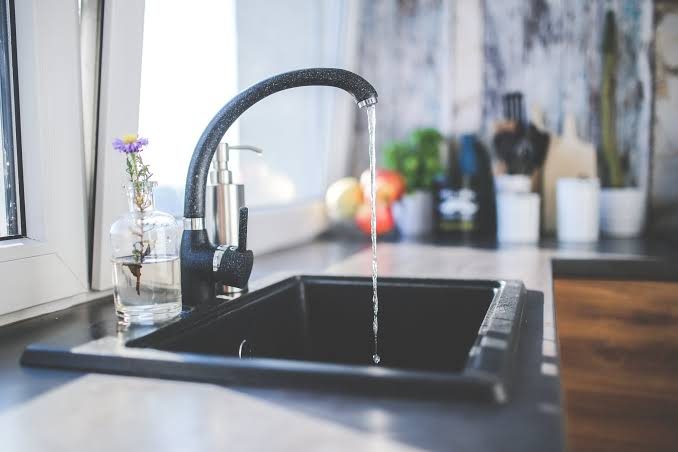
Good b-roll is easy to shoot: a stained sink, spotted glasses coming out of the dishwasher, a tech installing a system in a garage, clear water running from a kitchen tap. Phone footage is fine. Authentic beats polished. We break this down further in our guide to the video ads that work best for water treatment.
How should the hook and offer be structured?
The hook should call out the area first, name a visible problem second, and make the offer within the first 5 to 8 seconds of video and the first 125 characters of text. If the viewer has to wait for the point, they scroll.
A simple structure that works:
- Area callout: "Chesterfield homeowners."
- Problem: "Tired of scrubbing white spots off your faucets and glasses?"
- Offer: "We're doing free in-home water tests this month."
- Proof of realness: a quick look at the tech, the truck or the install.
- Call to action: "Tap below to pick a time."
Keep problems cosmetic: spots, scale, stains, smell, taste, the way skin and hair feel after a shower. Stay away from health, disease, "toxic" or contamination-scare language. Those claims invite ad rejections and make homeowners skeptical. They also are not needed. Hard water problems sell themselves when you show them.
Skip fake urgency like countdown timers or "only 3 spots left" unless it is literally true. Homeowners can smell it.
Should you use instant forms or a landing page?
For most water treatment dealers, Meta instant forms are the better starting point because they keep the homeowner inside the app and usually produce more leads at a lower cost. The trade-off is that some leads are lower intent, which is why fast calling matters so much.
A few form settings help quality:
- Ask whether they own the home.
- Ask what problem they notice (spots, stains, smell, taste).
- Ask whether they are on city water or a well.
- Use a short intro that restates the offer clearly.
One or two qualifying questions is plenty. Too many and good homeowners drop off.
What cost per lead should a water treatment dealer expect?
The cost per lead target we work toward is $20 to $30, and we treat anything above $50 as an alarm. More important is cost per booked appointment, where we aim for around $80 and raise a flag above $100.
Cost per lead tells you how the ad is doing. Cost per booked appointment tells you how the whole system is doing. A cheap lead that never gets called is worth nothing. For the full set of numbers, see our cost per lead benchmarks for water treatment.
How do you know when to kill or scale an ad?
Kill an ad when it has spent enough to judge and its cost per lead or cost per booked appointment is well above target. Scale an ad when it is beating target consistently over several days, not just one good afternoon.
Some rules of thumb:
- Always have new creative in testing. Ads wear out as the same audience sees them again and again.
- Change one thing at a time so you know what made the difference.
- Raise budgets gradually on winners rather than in big jumps.
- Judge on booked appointments, not clicks or likes.
Why does follow-up decide whether Facebook ads "work"?
Follow-up decides it because a Facebook lead is fresh for minutes, not days. Dealers who call within five minutes book far more of the same leads than dealers who call the next morning.
The lead-to-booked rate we work toward is 40% to 60%, and show rate above 70%. Hitting those requires someone ready to call the moment a lead lands, with a script that books a set time. Our post on how dealers get more in-home appointments walks through the full flow.
This is where we spend most of our energy at Wellsprings Estimates. We run the ads in your own ad account, our setters call every lead fast, and confirmed appointments land on your calendar. Leads are exclusive, one dealer per territory, with no long contract.
Bottom line: Facebook ads for water treatment work when they are local, real, compliant and backed by fast calling. If you would rather have that done for you, with 80 booked estimates in the first 30 days guaranteed in writing, book a call and we will look at your territory together.