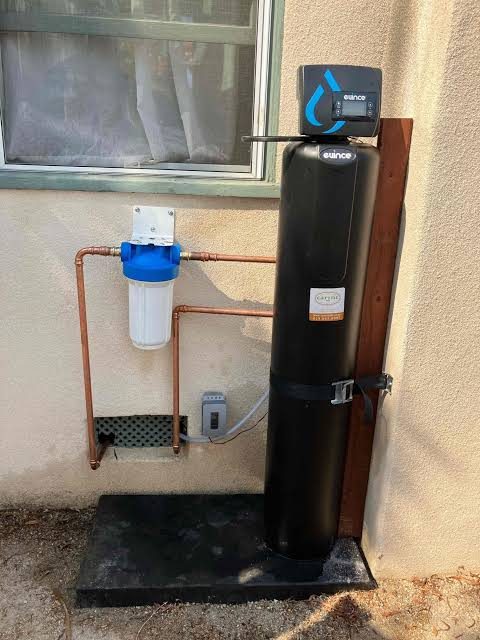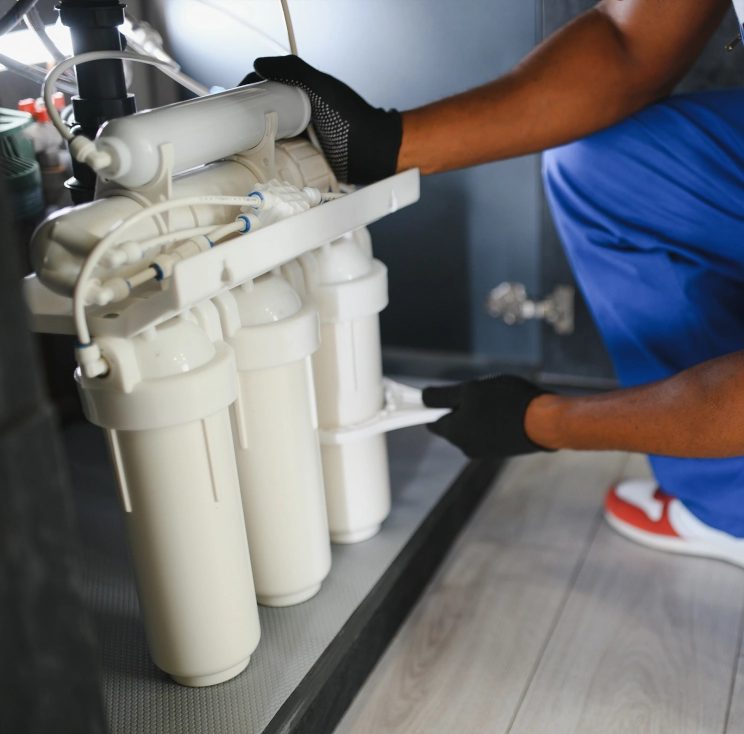
The water softener leads that actually book come from local ads that show hard water problems homeowners already see, such as spots, scale and dry skin feel, paired with a simple offer and a few qualifying form questions. Then someone has to call within minutes and book a set time, because speed matters as much as the ad.
Getting water softener leads is not hard. Run an ad, offer something free, and forms will come in. Getting water softener leads that actually turn into booked, kept appointments is a different job.
The difference comes down to who you attract, what you promise, and how fast you call. This post walks through each piece so your leads end up as sits, not dead phone numbers.
What is the best way to get water softener leads?
The best way to get water softener leads is to run local Meta ads that show the hard water problems homeowners already see in their homes, with a clear offer and a short lead form. Then call every lead within minutes and book a specific time.
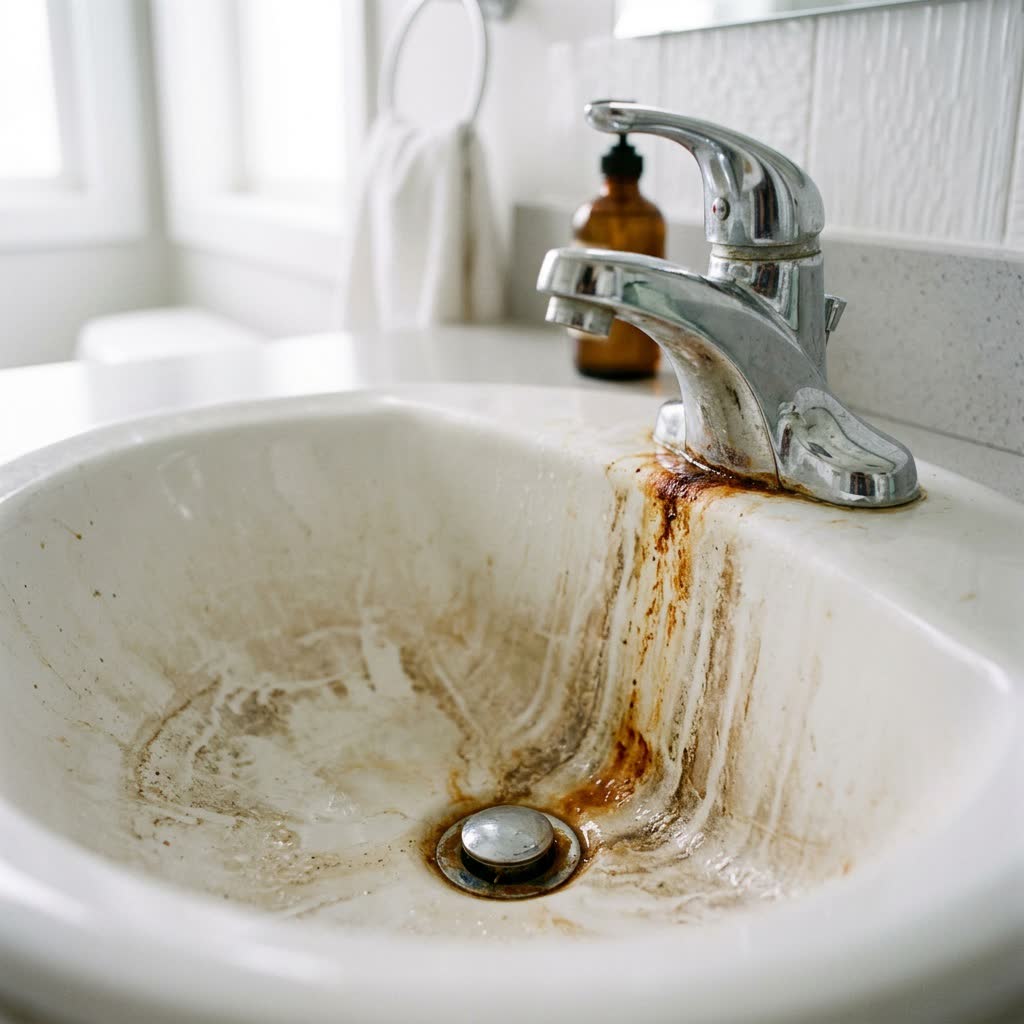
Hard water is a great problem to advertise because it is so visible. White crust on faucets. Spots on glasses straight out of the dishwasher. Scale on shower doors. Soap that will not lather. Skin and hair that feel dry after a shower. Homeowners already know these things bug them. Your ad just has to show it and offer help.
Which hard water problems should your ads focus on?
Your ads should focus on cosmetic, everyday problems: spots, scale, stains, soap scum, and the way skin and hair feel. These are relatable, easy to show on camera, and keep you clear of health and fear claims that can get ads rejected.
- Spots on dishes and glasses that never seem to come off.
- Scale on faucets and shower heads that needs scrubbing every week.
- Cloudy shower glass no matter what cleaner you use.
- Dry skin and hair feel after showering.
- Buildup in appliances like kettles and coffee makers.
Avoid language about illness, "toxic" water or contamination. You do not need it, and it attracts nervous, skeptical homeowners instead of motivated ones. We go deeper on wording in hard water ad angles that convert and stay compliant.
How should a water softener ad be structured?
A water softener ad should open with a city or area callout, name a visible problem, and state the offer within the first 125 characters of text and the first 5 to 8 seconds of video. Everything after that is supporting detail.
A simple template:
- "[City] homeowners, still scrubbing white spots off your faucets?"
- "That's hard water, and it's common around here."
- "We're offering a free in-home water test so you can see exactly what's in your water."
- "Tap below to pick a time that works for you."
For video, real footage beats anything generated. In our accounts, owner-on-camera video books best by far. AI avatar talking heads ran about $54 per lead versus about $28 for real b-roll with a voiceover, across roughly $83k of spend from July to October 2026. Shoot real scale, real faucets, real installs. A phone is fine.
What offer gets water softener leads to book?
A free in-home water test is the most common offer that books, because it is low-risk for the homeowner and gives your rep a real reason to visit. The key is making the offer specific and honest.
Some guidelines:
- Say exactly what they get: a free test at their home, results explained on the spot.
- Do not promise prices or discounts in the ad unless you will honor them at the table.
- Skip fake urgency like "only today" unless it is true.
- Make sure the ad, the form and the setter all describe the offer the same way.
A mismatch between what the ad promised and what the setter says is one of the fastest ways to lose a booking. Our post on running free water test offers without junk leads covers this in more detail.
What should you ask on the lead form?
Ask just enough to qualify the homeowner without scaring them off: whether they own the home, what problem they notice, and whether they are on city water or a well. Two or three questions is plenty.
| Form question | Why it helps |
|---|---|
| Do you own your home? | Filters out renters who cannot approve an install |
| What do you notice? (spots, scale, stains, smell, taste) | Gives the setter an opener and the rep a focus |
| City water or well? | Tells you whether it is a softener job or a well water job |
Every extra question lowers the number of leads. A short form with fast follow-up usually beats a long form with slow follow-up.
How fast do you need to call water softener leads?
You need to call water softener leads within minutes. The homeowner filled out the form while thinking about their spotty glasses. An hour later they are thinking about dinner.
A first-day sequence that works:
- Call immediately.
- If no answer, text right away using their name and the problem they mentioned.
- Call again a few hours later.
- Keep calling and texting on a set cadence for several days.
When you reach them, book a specific day and time, then confirm it by text. The lead-to-booked rate we work toward is 40% to 60%, and a show rate above 70%. Our post on appointment setting for water treatment dealers lays out the full process.
How do you know if your water softener leads are good?
You know your leads are good when a healthy share of them book and show up, not just when they are cheap. Track cost per lead, booked rate, show rate and cost per booked appointment together.
The targets we work toward:
- Cost per lead: $20 to $30, alarm above $50.
- Cost per booked appointment: around $80, alarm above $100.
- Lead-to-booked: 40% to 60%.
- Show rate: above 70%.
If cost per lead is great but booked rate is poor, look at follow-up speed before blaming the leads. More often than not, that is where the problem lives.
Should you do this yourself or hand it off?
Do it yourself if you have someone to run and test ads every week and someone else ready to call every lead within minutes. If your team is busy installing and servicing, those two jobs tend to slip.
At Wellsprings Estimates, we handle both. We run done-for-you Meta ads aimed at homeowners with hard water problems in your territory, our setters call fast and book a set time, and the appointment lands on your calendar confirmed. Leads are exclusive, one dealer per territory. Your ad budget runs in your own ad account, there is no long contract, and we guarantee 80 booked estimates in the first 30 days or we keep working free until you get them.
Bottom line: water softener leads that book come from showing real hard water problems, making an honest offer, asking a few smart questions, and calling in minutes. If you want that running in your area, book a call and we will check whether your territory is open.