Water treatment dealers get more in-home appointments by pairing local Meta ads that lead with a city callout and a clear offer with setters who call every lead within minutes and book a set, confirmed time. The ad creates the lead, but speed and confirmation turn it into a sit that actually shows up.
Every water treatment dealer wants the same thing: more qualified homeowners sitting at the kitchen table while a rep runs a water test. Not more names on a spreadsheet. Not more "just looking" form fills. More sits.
The good news is that getting more in-home appointments is not a mystery. It comes down to three things working together: ads that reach the right homeowners in your territory, a booking process that moves fast, and a confirmation routine that keeps those appointments on the calendar. Get all three right and the appointment count goes up. Miss one and it leaks.
Here is how it works, step by step.
What is the fastest way for a water treatment dealer to get more appointments?
The fastest way is to run local Meta (Facebook and Instagram) ads aimed at homeowners with visible water problems, then have someone call every lead within minutes and book a set time on your calendar. Ads create demand quickly, and fast follow-up converts that demand before it cools off.
Referrals, home shows and door knocking all still work. But they are slow to scale. You cannot double your referrals next month by deciding to. You can turn up a well-run ad campaign in your service area and start seeing booked estimates within days.
The catch is that ads alone do not book appointments. A lead from an ad is a homeowner who raised their hand for a few seconds. What happens in the next ten minutes decides whether it becomes a sit.
Why do most dealers get leads but not appointments?
Most dealers get leads but not appointments because nobody calls fast enough, often enough, or with a clear booking script. The lead is real. The follow-up is the problem.
Here is the common pattern we see:
- Leads come in during the day while the office is busy with installs and service calls.
- Someone calls back hours later, or the next morning.
- The homeowner does not pick up, and nobody tries again.
- The dealer decides "Facebook leads are junk."
In our accounts, the lead-to-booked rate we work toward is 40% to 60%. When a dealer is far below that, the cause is almost always speed and persistence, not lead quality. We cover this in detail in our post on appointment setting and speed to lead.
What makes a water treatment ad actually book appointments?
An ad books appointments when it calls out the homeowner's area, names a problem they can see or smell, and makes a clear offer early. The homeowner should know within one glance that the ad is for them and what they get for responding.
The targets we hold every ad to:
- Area callout first. "St. Charles homeowners" or "Well water in Jefferson County" stops the right scroll.
- Offer in the first 125 characters of the text, and in the first 5 to 8 seconds of a video.
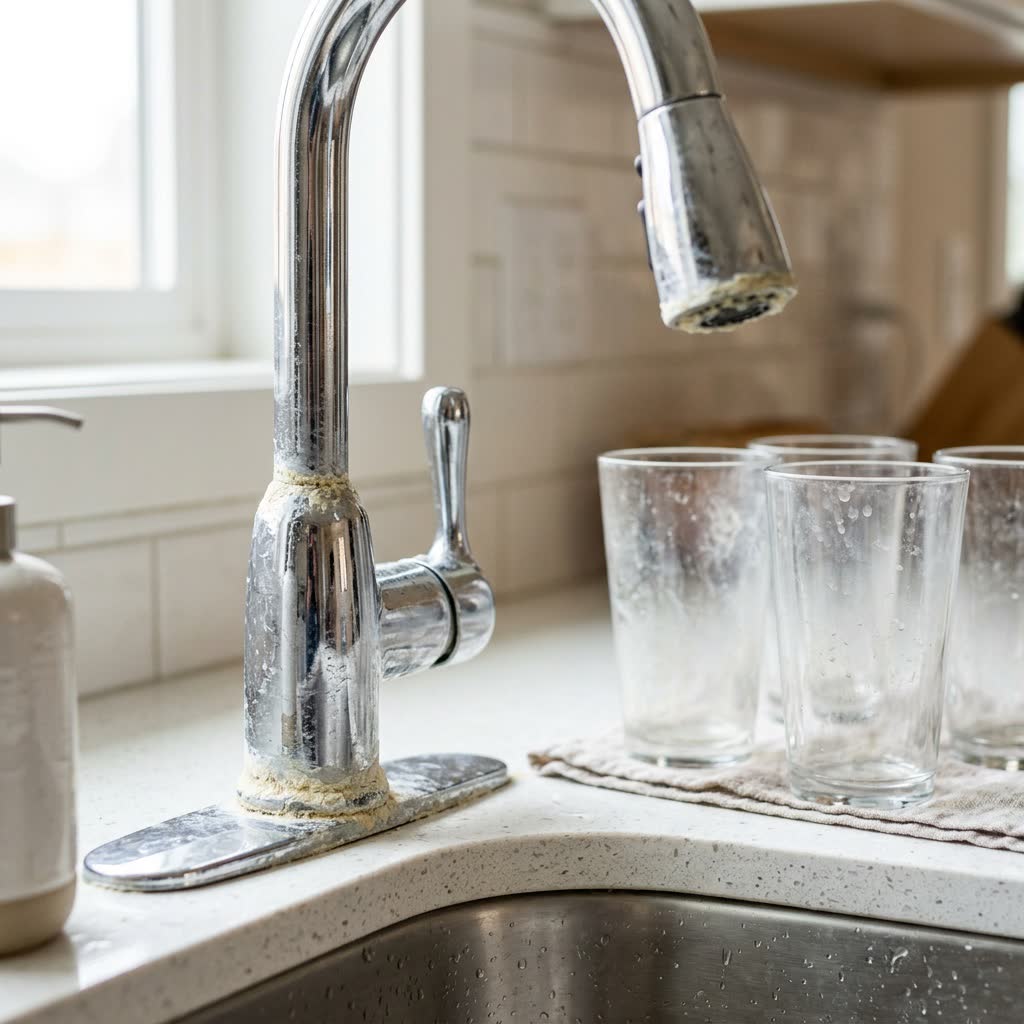
- Cosmetic problems only. Spots on dishes, scale on faucets, orange stains, rotten egg smell, dry skin and hair feel. No health or fear claims.
- Real faces where possible. In our accounts, owner-on-camera video books best by far.
That last point matters more than most dealers expect. Across about $83k of spend from July to October 2026, AI avatar talking heads ran about $54 per lead, while real b-roll with a voiceover ran about $28. Homeowners respond to things that look real. For more on structuring the campaigns themselves, see our Facebook ads playbook for water treatment companies.
How quickly should a new lead be called?
A new lead should be called within five minutes if at all possible. The homeowner filled out the form while looking at their stained sink or spotty glasses. That moment of attention is short.
A strong first-day sequence looks like this:
- Call within minutes of the form submission.
- If no answer, send a short text that uses their name and mentions what they asked about.
- Call again later the same day at a different time.
- Keep a set cadence of calls and texts over the next several days.
When the homeowner picks up, the goal is simple: confirm the problem, confirm they own the home, and book a specific day and time. Not "someone will reach out." A set time.
How do you keep booked appointments from no-showing?
You keep appointments from no-showing by confirming them, reminding the homeowner before the visit, and making sure both decision makers know the time. A show rate above 70% is the target we work toward.
A few habits that help:
- Send a confirmation text right after booking with the date, time and rep's name.
- Send a reminder the day before and again the morning of.
- Ask during booking whether anyone else in the home should be there for the water test.
- Do not book too far out. A sit three days away holds far better than one two weeks away.
Which numbers should dealers track to grow appointments?
Dealers should track cost per lead, lead-to-booked rate, show rate and cost per booked appointment. Those four numbers tell you exactly where the funnel is leaking.
| Metric | Target we work toward | Alarm level |
|---|---|---|
| Cost per lead | $20 to $30 | Above $50 |
| Cost per booked appointment | Around $80 | Above $100 |
| Lead-to-booked rate | 40% to 60% | Well below 40% |
| Show rate | Above 70% | Below 70% |
If cost per lead is high, the creative or targeting needs work. If cost per lead is fine but booked rate is low, the follow-up needs work. If booking is fine but show rate is low, the confirmation process needs work. Each number points to a different fix. We go deeper on these in our post on cost per lead and cost per booked appointment.
Should you build this in-house or hand it off?
You should build it in-house only if you have someone who can manage ads daily and a dedicated person to call leads within minutes, all day. Most dealers have neither, because their team is busy installing and servicing equipment.
Running ads well means testing new creative, watching costs and killing what does not work. Setting well means sitting by the phone and calling every lead the moment it lands. Those are two full jobs.
That is the gap we fill at Wellsprings Estimates. We run done-for-you Meta ads aimed at homeowners with water problems in your territory, our setters call leads fast and book a set time, and the appointment lands on your calendar confirmed. Leads are exclusive with one dealer per territory. Your ad budget runs in your own ad account, there is no long contract, and our guarantee is written in the agreement: 80 booked estimates in your first 30 days, or we keep working for free until you get them.
What should a dealer do first?
A dealer should first work out how many sits they actually need. Start with your install goal and close rate. Say you want 20 installs a month and your reps close 25% of sits. That means you need about 80 appointments that happen, not 80 leads.
Then look honestly at each stage:
- Are your ads reaching homeowners in your actual service area?
- Is someone calling every lead within minutes?
- Are booked appointments confirmed and reminded?
- Do you know your numbers at each step?
Fix the weakest stage first. It is usually follow-up speed.
Bottom line: more in-home appointments come from local ads with a clear offer, setters who call in minutes, and a confirmation routine that protects your show rate. If you want that system running in your territory without building it yourself, book a call and we will walk through your area and goals.